Every seasoned camper understands the panic of awakening in a drenched resting bag at 3 a.m. Waterproofing is non-negotiable in the backcountry. Yet as the outdoor community grows more ecologically aware, a pushing concern has arised: can we stay dry without hurting the world we appeared here to enjoy? The solution, significantly, is indeed-- and the products leading that fee deserve knowing.
The Issue with Typical Waterproofing
For years, the outside sector counted greatly on sturdy water repellent (DWR) coverings made with per- and polyfluoroalkyl compounds, better referred to as PFAS or "permanently chemicals." These coverings are extremely effective-- water grains and rolls right off-- yet they don't break down in the setting or in the human body. PFAS have been identified in remote alpine lakes, Arctic wild animals, and human blood samples worldwide.
Past DWR finishings, many water-proof membrane layers and treated materials have historically entailed energy-intensive manufacturing, petroleum-derived raw materials, and end-of-life waste that blocks landfills for centuries. For a sector built around nature, the opposition has been tough to disregard.
Emerging Sustainable Alternatives
PFC-Free DWR Coatings
One of the most immediate change happening throughout the market is the move toward fluorine-free DWR (FFDWRs). These coatings, originated from plant-based or silicone-based chemistries, don't carry the consistent toxicity of their precursors. Brand names like Nikwax and Grangers have been generating fluorine-free waterproofing therapies for many years, and significant manufacturers-- Patagonia, Arc'teryx, and Fjällräven amongst them-- have dedicated to phasing out PFAS completely across their product.
Do they carry out too? Honestly, not always in severe problems-- however the void is closing quickly, and for a lot of three-season outdoor camping applications, modern FFDWRs stand up very well.
Recycled and Bio-Based Membranes
Waterproof-breathable membrane layers are the hidden layer inside your rainfall coat that actually obstructs water while allowing vapor escape. The most renowned is Gore-Tex, however its production has typically included virgin polytetrafluoroethylene (PTFE), a petroleum product.
New choices are interrupting this space. Polartec's NeoShell and Neoshell Hardface lines have actually discovered a lot more sustainable buildings, while companies like Sympatex generate waterproof membranes made entirely from recycled polyester. Bio-based membranes, derived from agricultural waste or plant oils, are still arising however stand for a really amazing frontier.
Waxed Cotton and All-natural Fibers
In some cases sustainability means looking backwards. Waxed cotton, utilized for over a century in outdoor gear, is appreciating a just renaissance. Brand names like Barbour and more recent outdoor-focused business deal with securely woven cotton with natural beeswax or plant-based waxes to develop a breathable, water-resistant textile with severe resilience. When the wax wears off, you merely re-wax it-- no artificial chemistry required.
Woollen is one more all-natural champ. Merino woollen, especially when firmly weaved, offers unusual water resistance alongside its popular warmth-when-wet residential property. It's biodegradable, eco-friendly, and if sourced properly, lugs a far reduced environmental impact than synthetic choices.
What to Seek When Getting Lasting Camping Equipment
Certifications That Issue
Navigating greenwashing is among the largest challenges for eco-conscious customers. A few certifications are worth relying on. The bluesign ® standard audits manufacturing for accountable source use and chemical security. The Worldwide Recycled Criterion (GRS) verifies recycled content cases. Seek these on hang tags and brand name sites rather than taking obscure "green" language at stated value.
Toughness as Sustainability
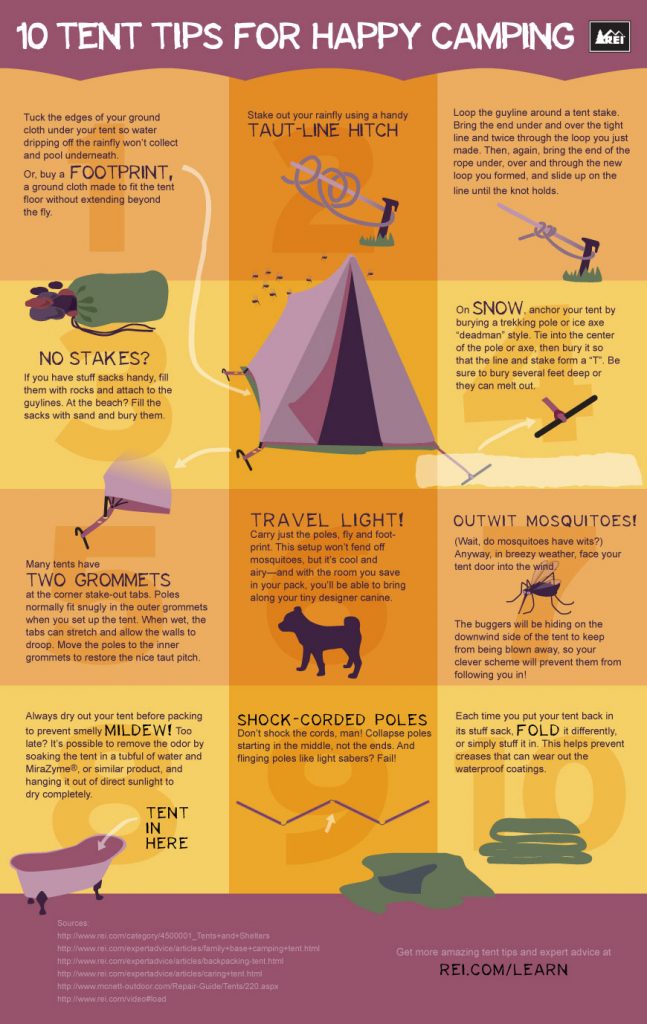
The most sustainable item of equipment is the one you don't need to change for a decade. Prior to chasing after the most recent "green" item, think about that a well-maintained outdoor tents, jacket, or tarp with typical building-- correctly dried out, kept, and re-treated when needed-- might carry a reduced life time environmental impact than cycling via newer sustainable items every few years.
Re-proofing sprays and wash-in therapies can bring back the water repellency of aging equipment, efficiently expanding its life substantially. This simple behavior is among the highest-impact lasting options a camper can make.
The Trail Ahead
Lasting waterproof modern technology is developing swiftly, driven by both glamping hacks consumer demand and tightening laws on damaging chemicals in the EU, UK, and increasingly in The United States and Canada. The outdoor market, for all its historical contradictions, is relocating the best instructions.
For campers, the useful takeaway is urging: you no longer need to choose in between staying completely dry and stepping gently. Get long lasting, purchase accredited, maintain what you own, and assistance brand names really committed to this transition. The hills will certainly thanks for it.